
How to store apple cider vinegar
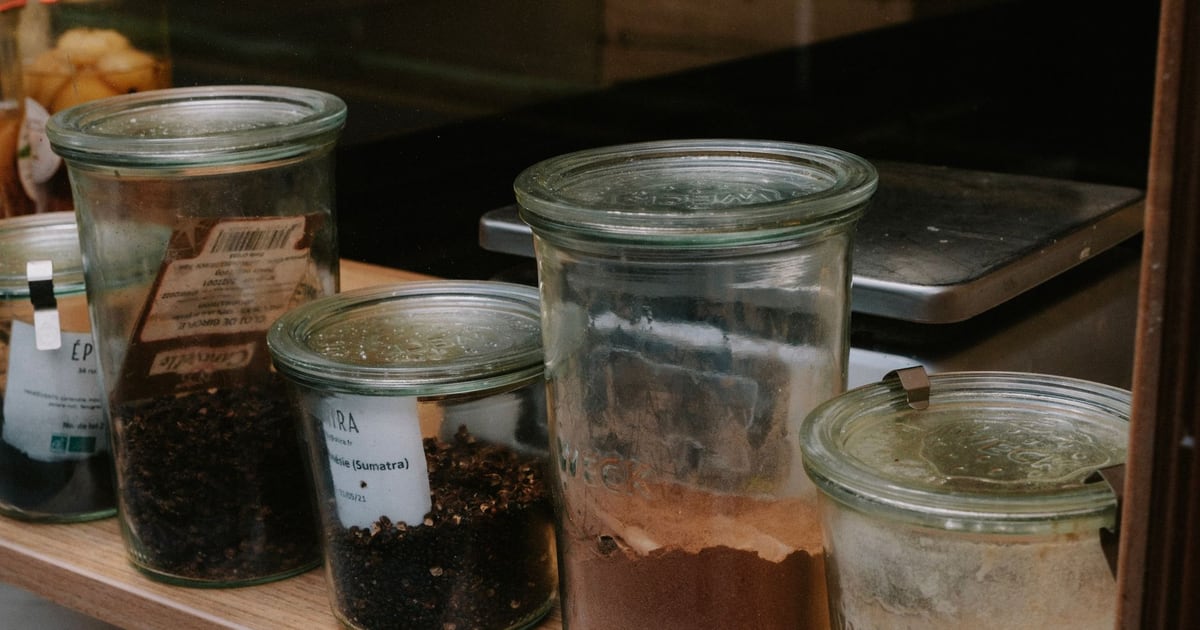
Best place: the pantry. Apple cider vinegar is shelf stable and keeps indefinitely in a cool, dry cupboard.
Keeps indefinitely
from purchase
No guideline
No guideline
How apple cider vinegar compares with other condiments, sauces & canned goods
USDA FoodKeeper gives apple cider vinegar one time: Keeps indefinitely in the pantry from purchase, and no figure for the other places. A blank usually means the food is not stored that way, not that the data is missing. The foods USDA lists next to apple cider vinegar in condiments, sauces & canned goods show the range for the group:
| Food | Pantry | Fridge | Freezer |
|---|---|---|---|
| Aioli | no guideline | 3 to 4 days | no guideline |
| Anchovies | 5 years | no guideline | 2 months |
| Bacon grease | no guideline | 6 months | 12 months |
| Balsamic vinegar | 3 to 5 years | no guideline | no guideline |
| Barbecue sauce(first of 2 kinds) | 1 year | no guideline | no guideline |
| Beef broth/stock/consommé | Use by the package date | 7 days | 2 to 3 months |
| Black bean sauce | 18 to 24 months | no guideline | no guideline |
| Broth | no guideline | 3 to 4 days | 2 to 3 months |
| Chicken broth/stock/consommé | Use by the package date | 7 days | 2 to 3 months |
| Chutney | 1 year | no guideline | no guideline |
About condiments, sauces & canned goods. Many condiments last for months in the fridge after opening because of their salt, sugar, vinegar or oil content, though quality fades before safety does. Canned goods are shelf stable for years unopened, but the can itself needs checking before use. All condiments, sauces & canned goods.
How to tell apple cider vinegar has gone bad
General signs for condiments, sauces & canned goods, the group USDA lists apple cider vinegar under.
- Dented, bulging or rusted cans, especially at the seams
- Hissing sound or spray when a can or jar is opened
- Mould on the surface of a sauce or condiment
- Separation, discoloration or a sharp off smell from the jar
- Metallic taste or cloudy liquid in canned food
More on condiments, sauces & canned goods. The times above are quality guidelines, not safety limits; food that shows these signs goes out regardless of the date.
Storage habits that make the difference
Refrigerate opened condiments and sauces with their lids on tightly, and use a clean spoon each time to avoid contamination. Store unopened cans in a cool, dry cupboard, and once opened, transfer leftover canned food to a covered container in the fridge rather than storing it in the can.
How to store other condiments, sauces & canned goods
Source: USDA FSIS FoodKeeper dataset (public domain). How we decode the data.