
Browse by category
Baby Food
7 foods
Baby food spoils quickly once opened because it lacks the preservatives found in many packaged foods, and jars or pouches should be treated as fresh food, not shelf stable. Unopened jars and pouches keep well until their date, but opened baby food needs prompt refrigeration and quick use.
Baked Goods: Bakery
17 foods
Fresh bread, cakes, muffins and cookies dry out or turn stale within days at room temperature, and any dampness in the packaging speeds up mould growth. Baked goods with cream, custard or fresh fruit filling behave more like dairy and need refrigeration rather than a bread box.
Baked Goods: Baking and Cooking
46 foods
Dry baking staples like flour and sugar last a long time if kept dry and sealed, but they can pick up pantry pests or absorb moisture and odours from nearby food. Oils slowly turn rancid over time, even unopened, especially once exposed to heat or light.
Baked Goods: Refrigerated Dough
7 foods
Refrigerated dough, such as tubes of biscuits, cookie dough or pie crust, is only safe within its printed date because it is raw and perishable. Once opened, it should be used quickly, since the packaging is no longer airtight.
Beverages
24 foods
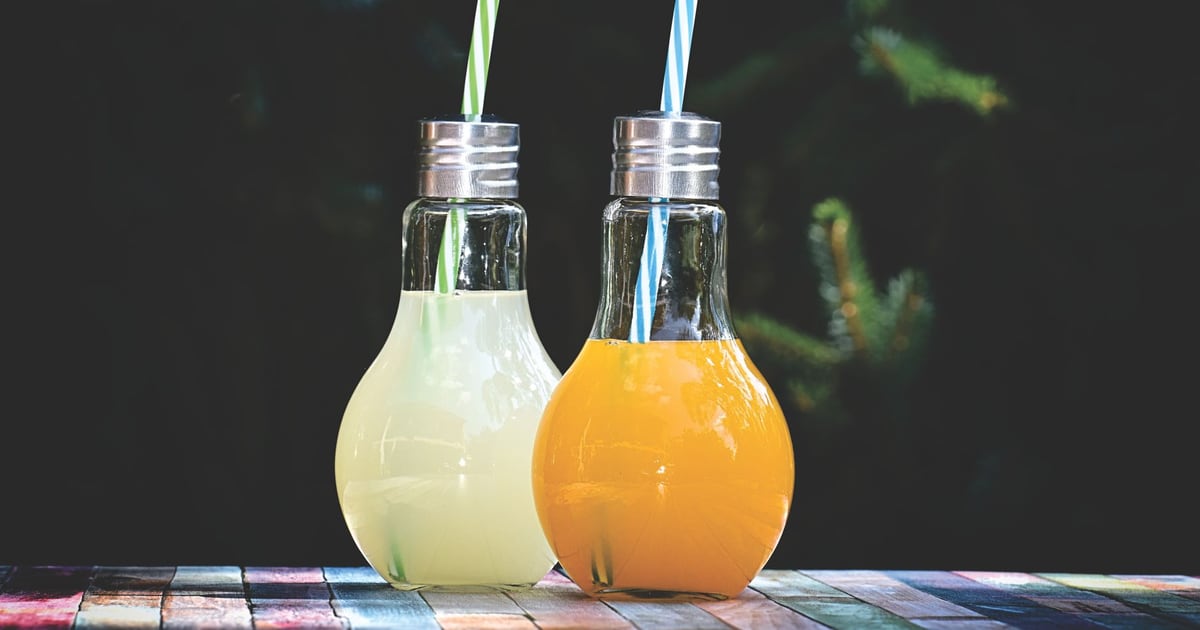
Unopened juice, soda, beer and wine keep for a long time in a cool pantry, but milk alternatives and fresh juice spoil almost as fast as dairy once opened. Coffee and tea lose flavour gradually rather than becoming unsafe, so quality, not safety, is usually the concern.
Condiments, Sauces & Canned Goods
44 foods
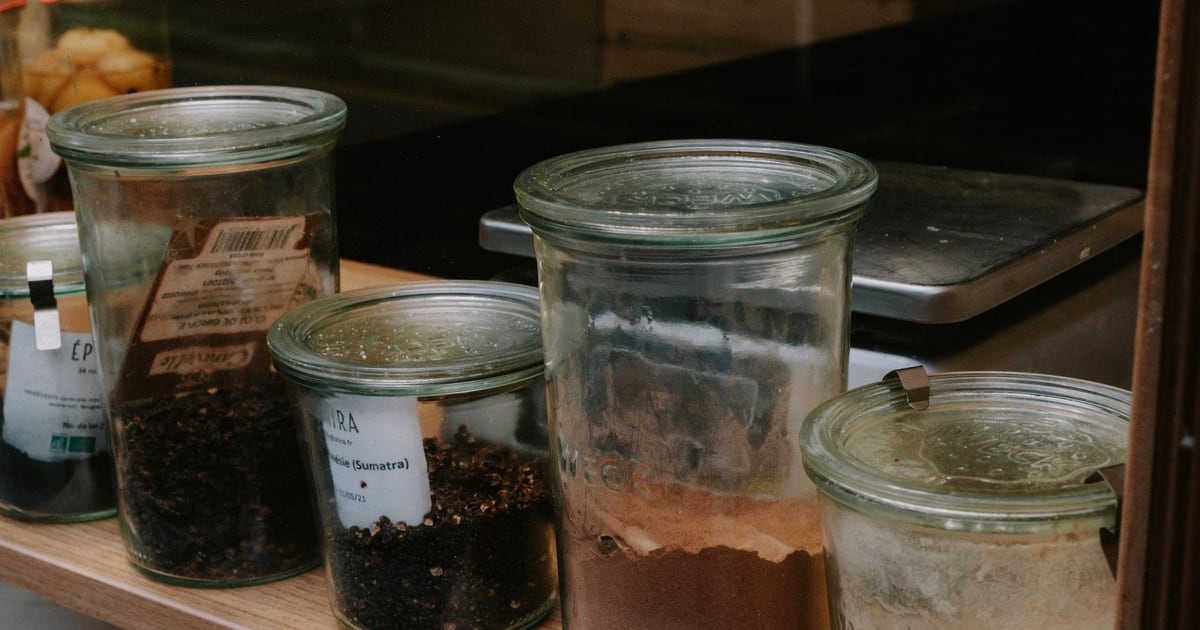
Many condiments last for months in the fridge after opening because of their salt, sugar, vinegar or oil content, though quality fades before safety does. Canned goods are shelf stable for years unopened, but the can itself needs checking before use.
Dairy Products & Eggs
33 foods
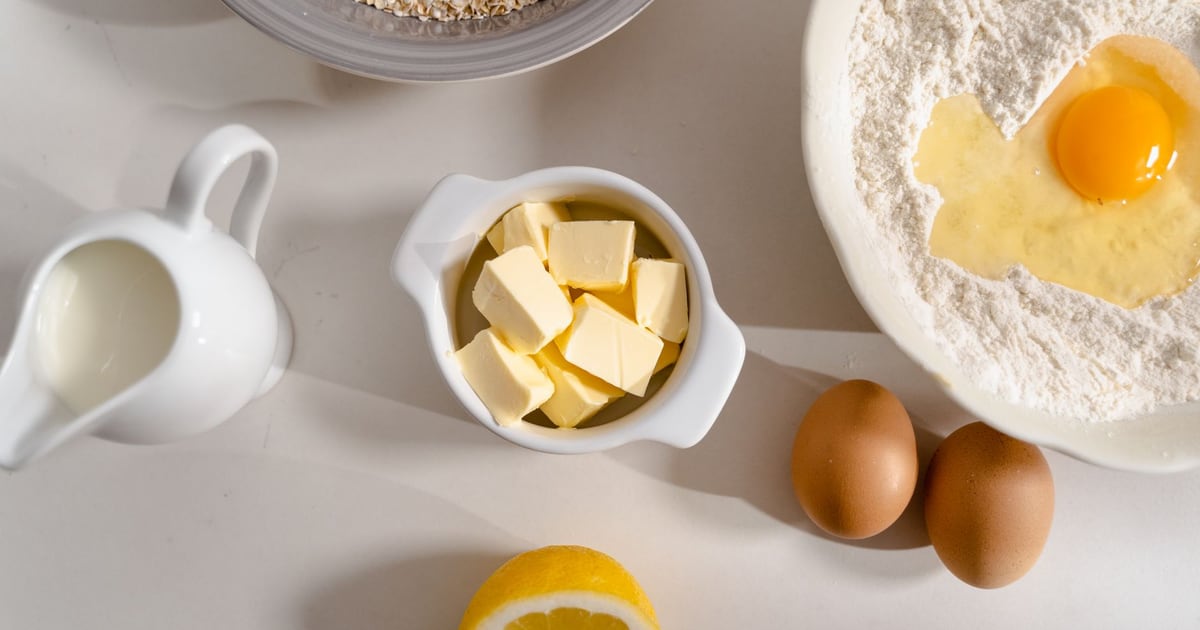
Milk, cheese, yogurt and eggs are among the most perishable items in the kitchen and depend on a steady, cold fridge to stay safe. Soft cheeses spoil faster than hard ones, and eggs, despite lasting for weeks, are worth checking before use.
Food Purchased Frozen
23 foods
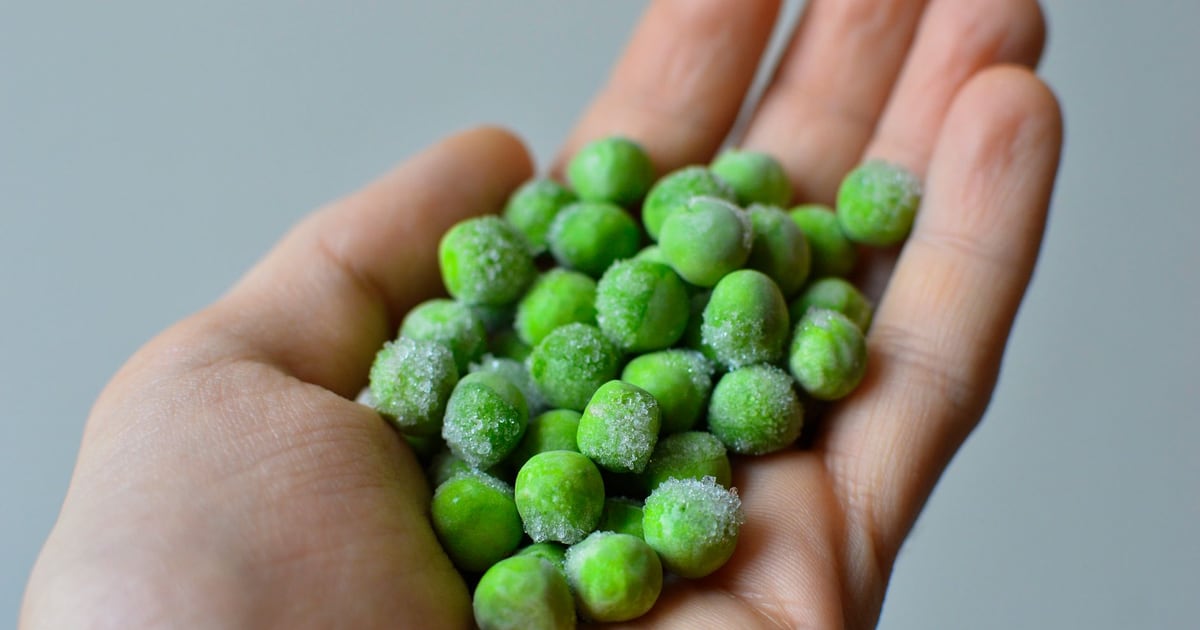
Food that was frozen at the store stays safe indefinitely at 0 F (-18 C), but quality drops the longer it sits, especially with freezer burn. Once thawed, these foods behave like fresh or refrigerated food and should not be refrozen without cooking first.
Grains, Beans & Pasta
24 foods
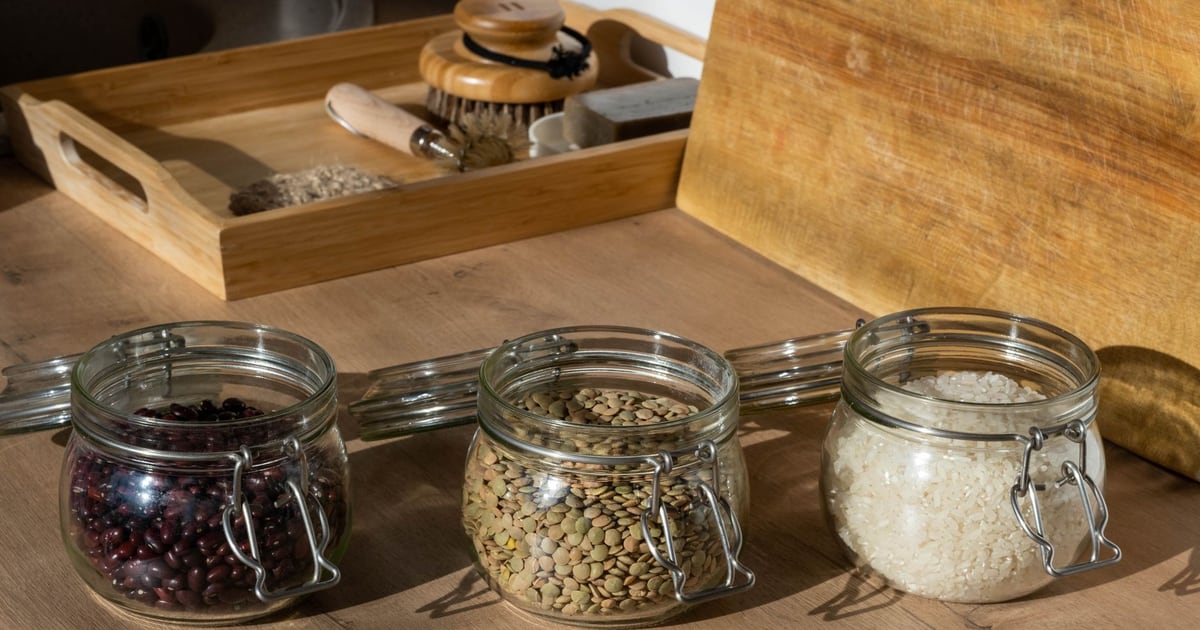
Dry rice, pasta and beans are shelf stable for a long time when kept sealed and dry, but they can attract pantry insects or absorb moisture. Cooked grains, beans and pasta are far more perishable and need refrigeration like any other cooked food.
Meat: Fresh
12 foods
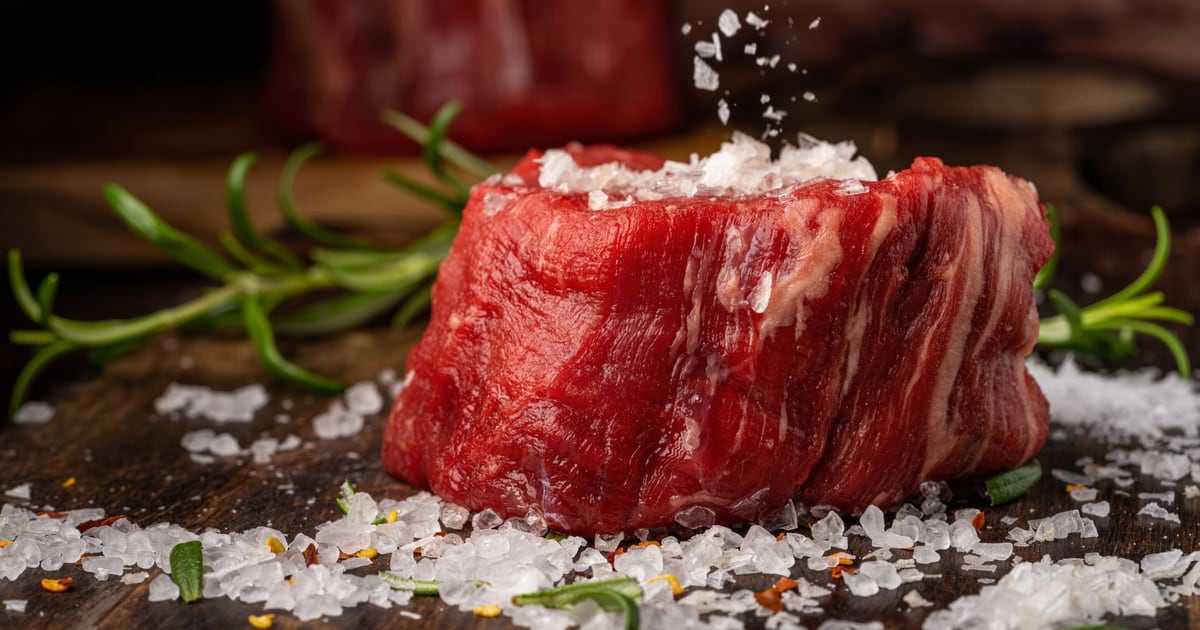
Raw fresh meat is highly perishable and should move from store to fridge to plate on a tight schedule, since bacteria grow fastest between 40 F and 140 F (4 C to 60 C). Colour change alone is not always a reliable sign, so smell and texture matter more.
Meat: Shelf Stable Foods
5 foods
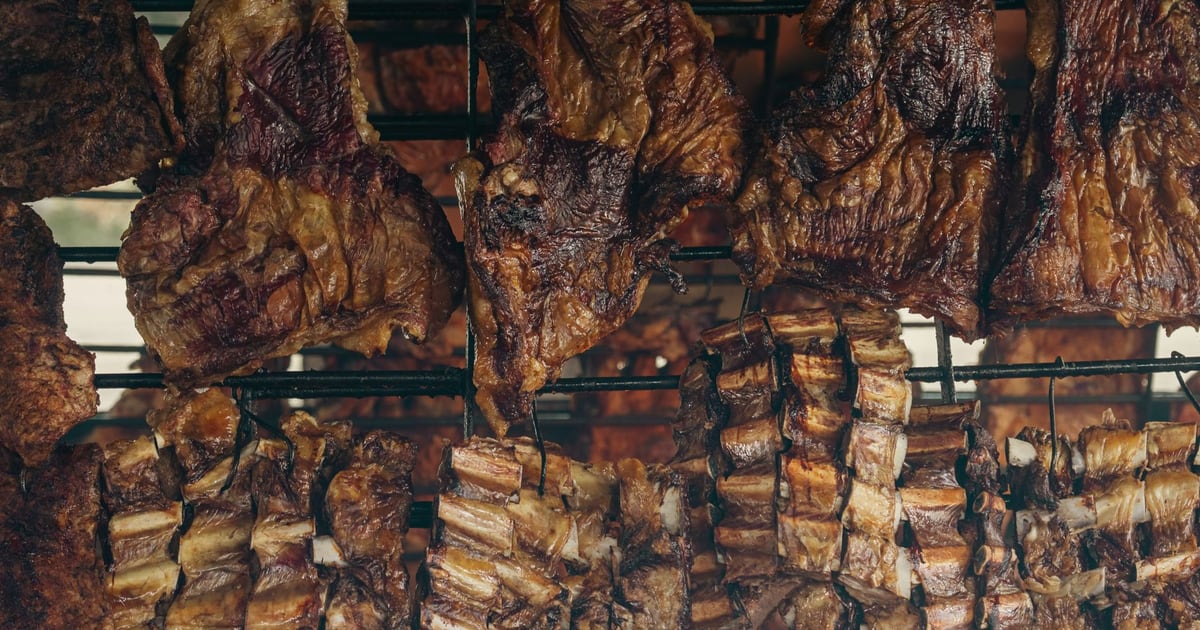
Canned meat and jerky are made to last for months or years at room temperature because curing, drying or the canning process removes the moisture bacteria need. The can or bag still needs a visual check, since packaging failure is usually the first sign of trouble.
Meat: Smoked or Processed
11 foods
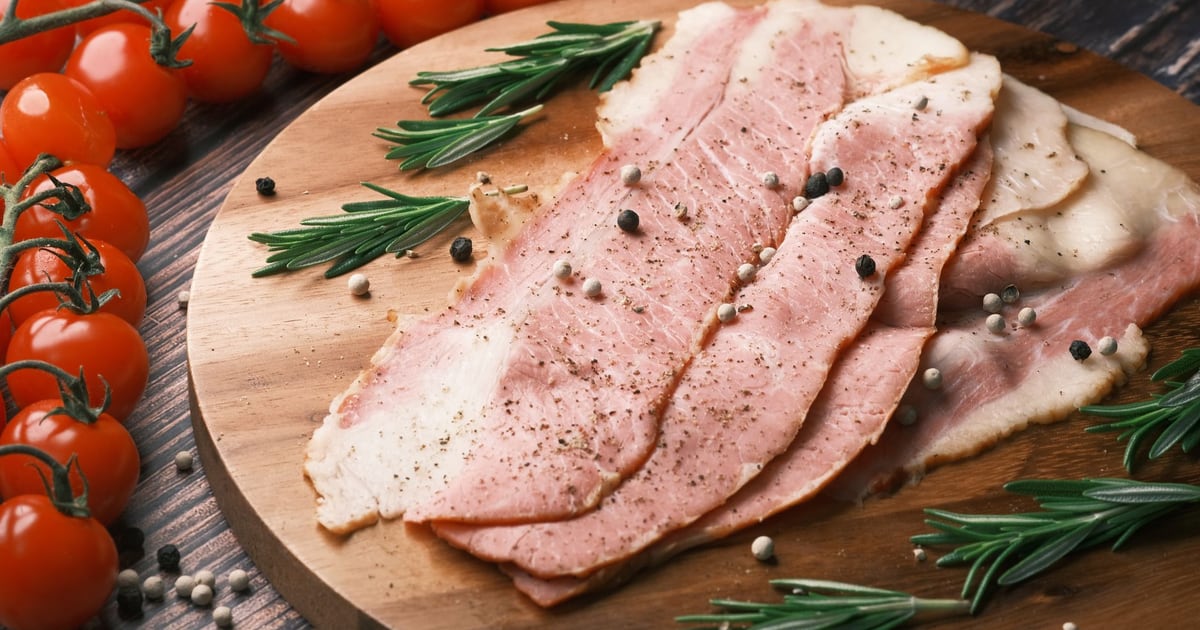
Bacon, ham, sausage and hot dogs are cured or smoked, which extends their life compared to raw meat, but they are not shelf stable once opened. Vacuum-sealed packaging keeps them fresh far longer than a resealed bag ever will.
Meat: Stuffed or Assembled
2 foods
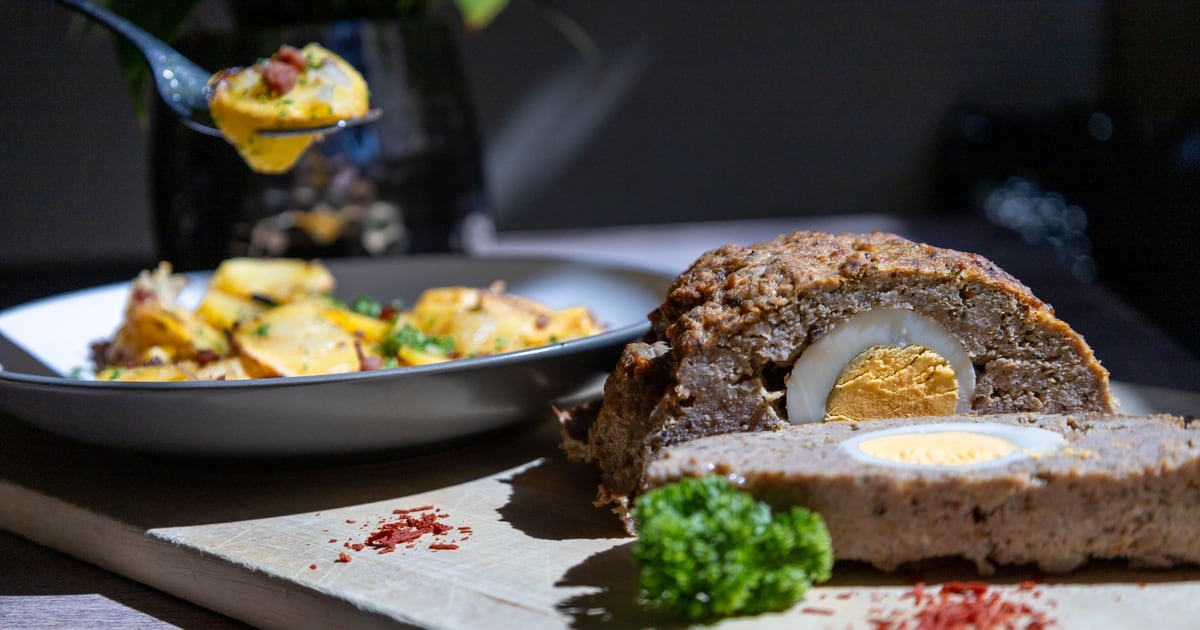
Stuffed or assembled meat dishes, like stuffed pork chops or meat rolls with filling, combine raw meat with other ingredients, so they need careful handling plus extra attention to the filling itself. Cooking must reach a safe internal temperature all the way through, including the stuffing.
Poultry: Cooked or Processed
6 foods
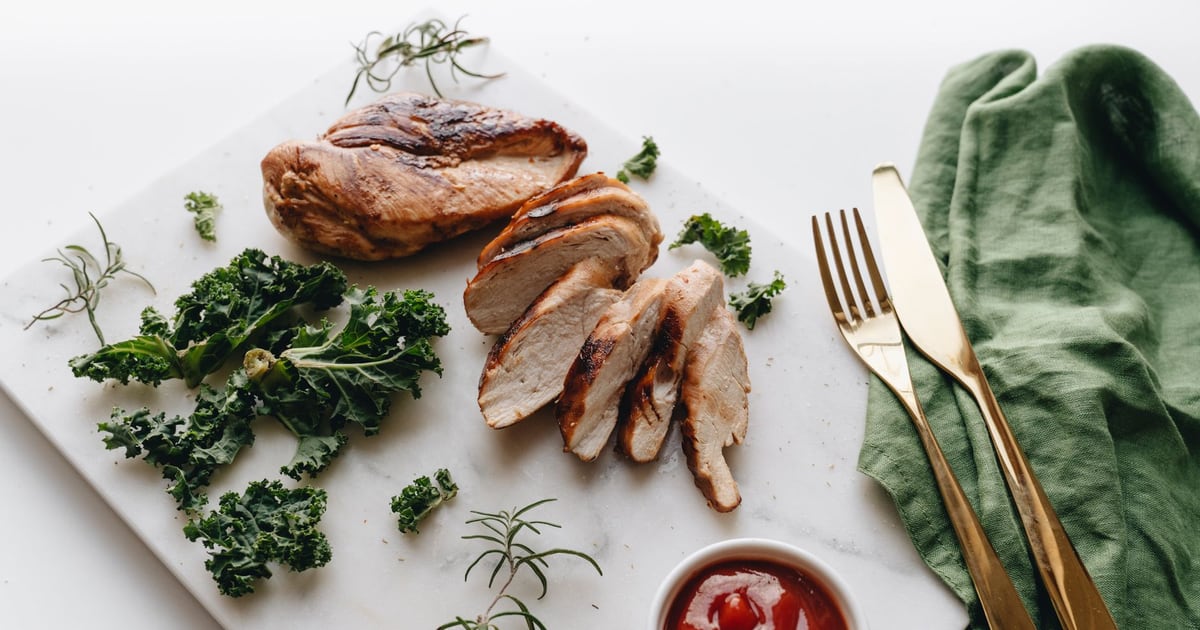
Cooked or processed poultry, like rotisserie chicken, chicken sausage or deli turkey, is more perishable than most people expect once it leaves the oven or the package is opened. It should go into the fridge quickly and get eaten within a few days.
Poultry: Fresh
12 foods
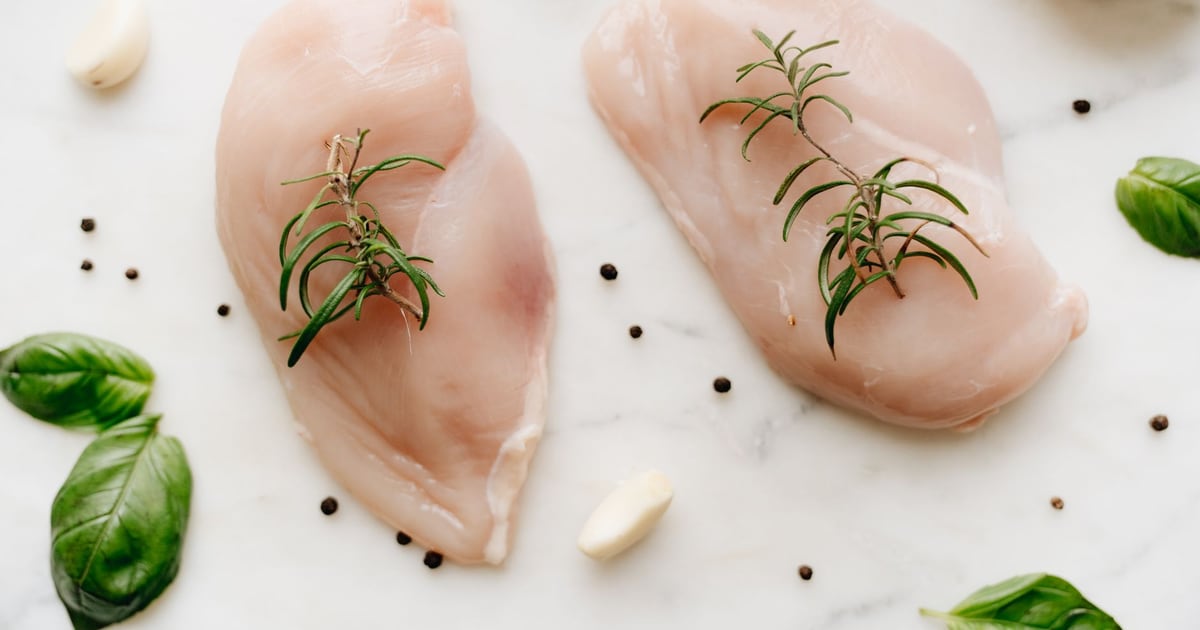
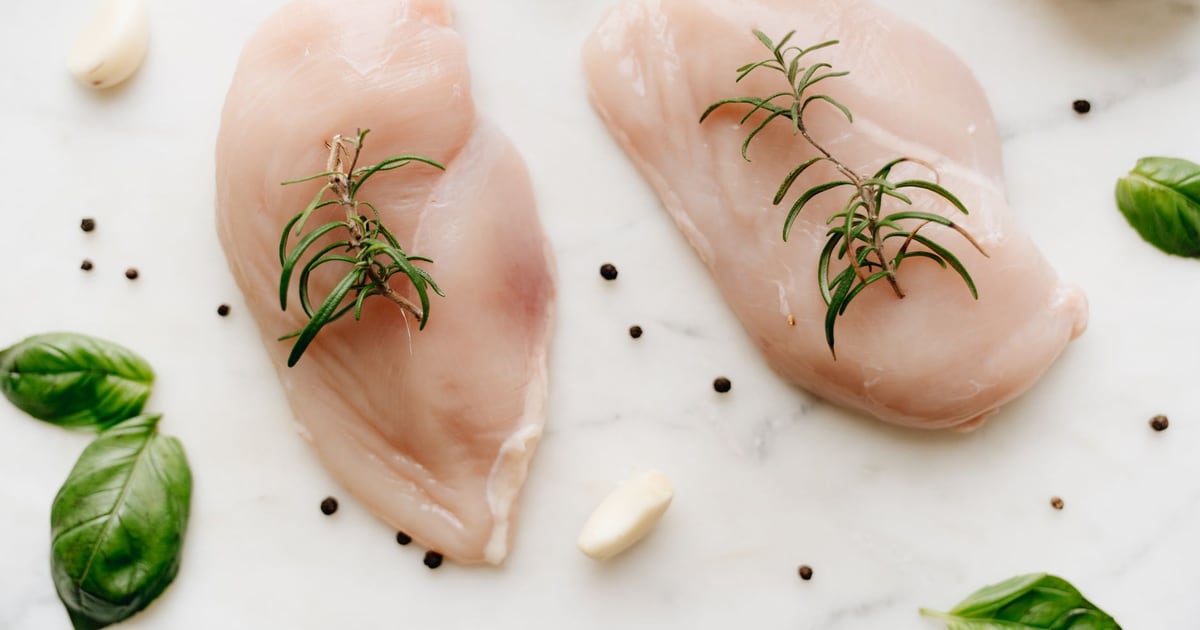
Raw chicken and turkey are among the most perishable foods in the kitchen and carry a higher risk of harmful bacteria than most other meats, so timing and temperature matter more than usual. A pink colour alone does not mean poultry is unsafe; cooking temperature is what actually matters.
Poultry: Shelf Stable Foods
2 foods
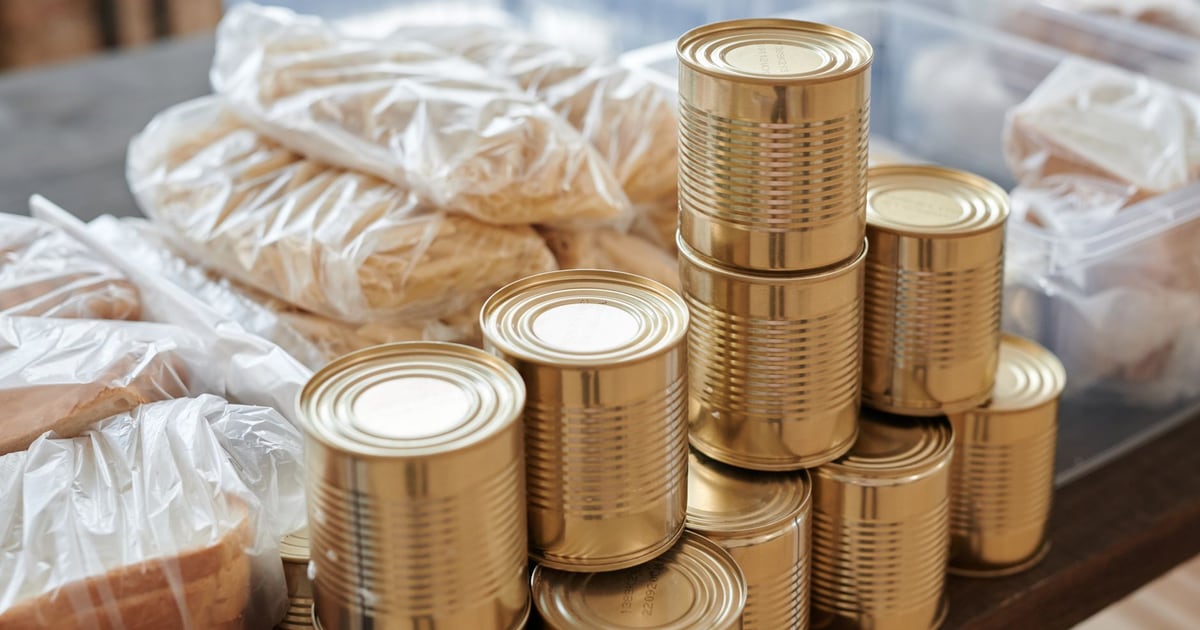
Canned chicken and other shelf stable poultry products last for years unopened because the canning process makes them sterile, but they still depend on an intact can or pouch. Once opened, they turn perishable again and need the same care as any cooked meat.
Poultry: Stuffed or Assembled
3 foods
Stuffed poultry, like a stuffed chicken breast or turkey roll, needs the filling and the meat to both reach a safe temperature, which takes longer than cooking the meat alone. Handle it like raw poultry right up until it is fully cooked through.
Produce: Fresh Fruits
32 foods
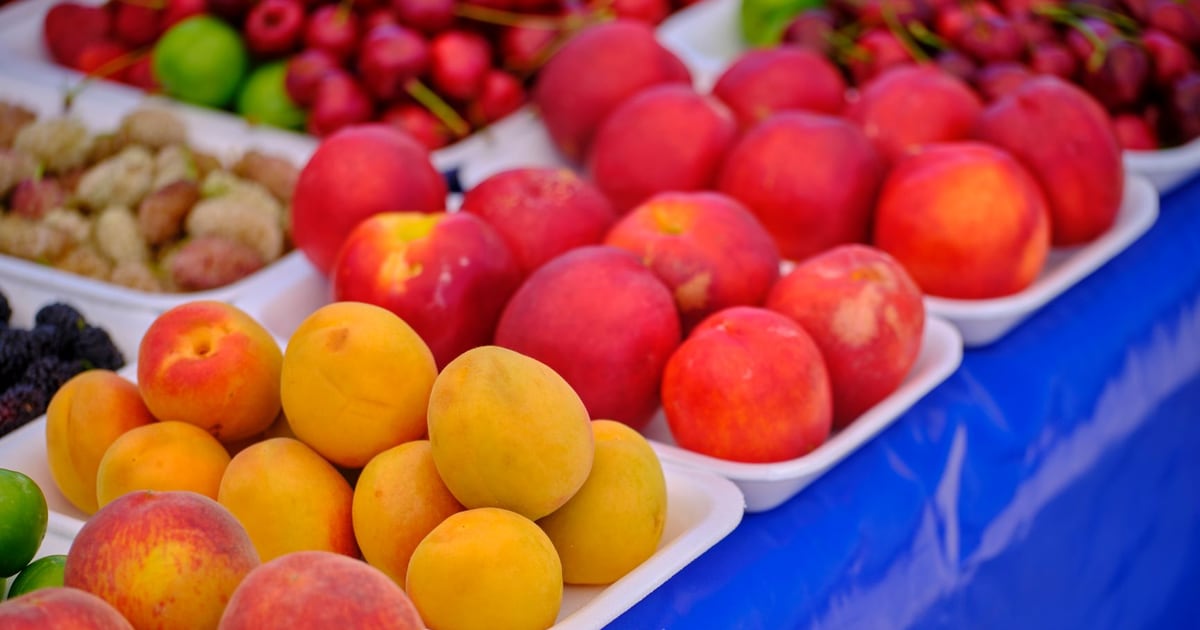
Fresh fruit ripens and spoils at different speeds, and some fruits release gases that ripen, and spoil, others faster when stored together. Berries and soft fruits are the most delicate, while apples and citrus tend to hold up much longer.
Produce: Fresh Vegetables
63 foods
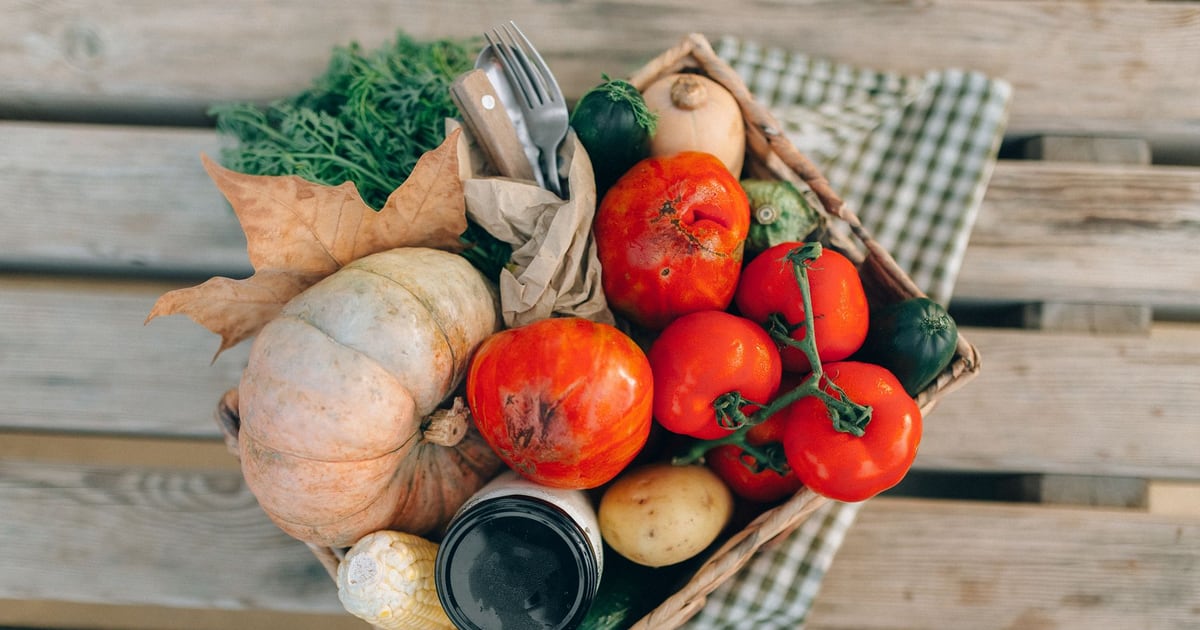
Fresh vegetables vary widely in how they keep, with leafy greens wilting within days while root vegetables like potatoes and onions last for weeks in the right conditions. Moisture is usually the enemy of storage life, whether there is too much of it or too little.
Seafood: Fresh
5 foods
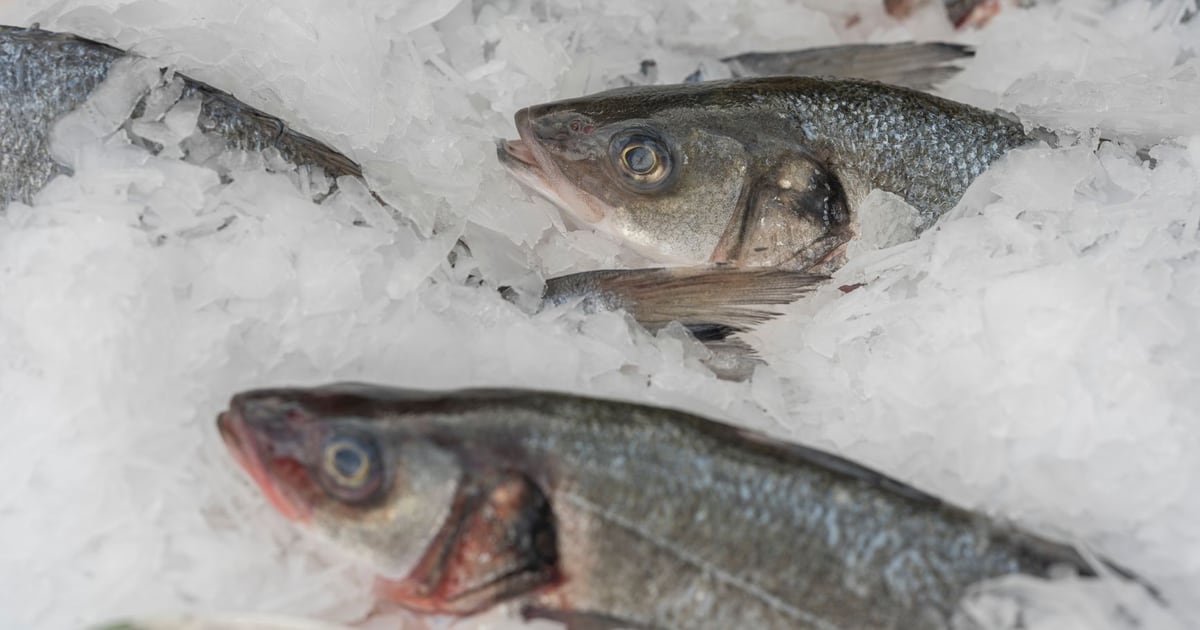
Fresh fish and other seafood spoil faster than most meat and are best cooked or frozen within a day or two of purchase. A clean, mild ocean smell is normal; a strong fishy or ammonia smell is not.
Seafood: Shellfish
11 foods
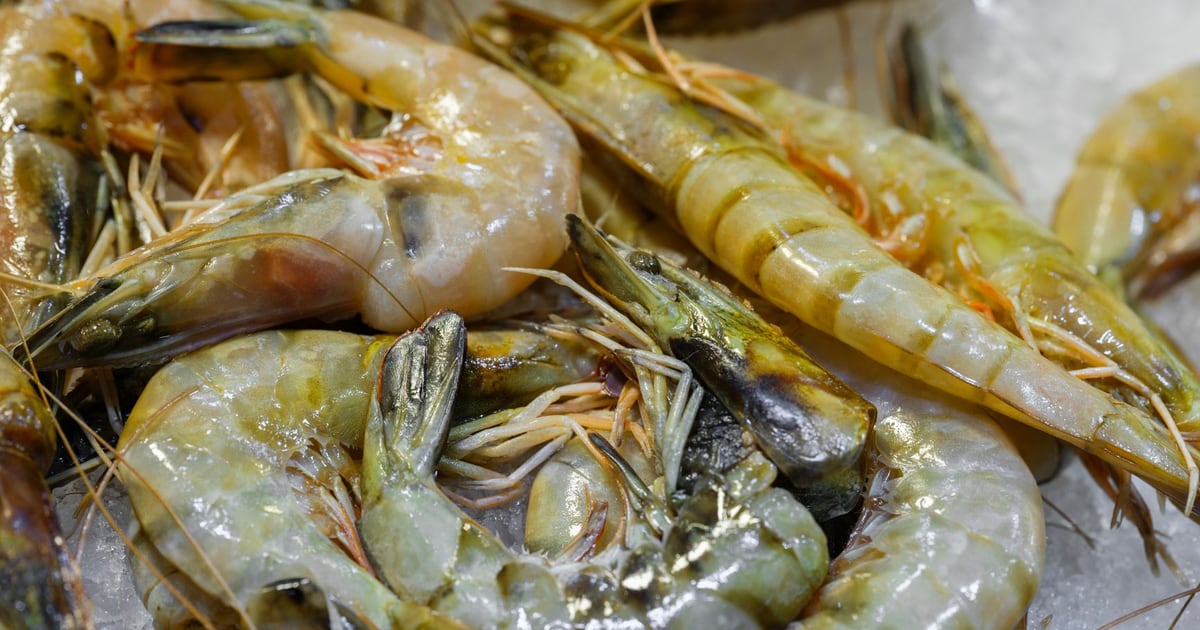
Live shellfish, like clams, mussels and oysters, need to stay alive until cooking, so a closed or tightly closing shell is essential. Cooked shellfish and shrimp are more perishable than most people expect and spoil quickly once out of the shell.
Seafood: Smoked
2 foods
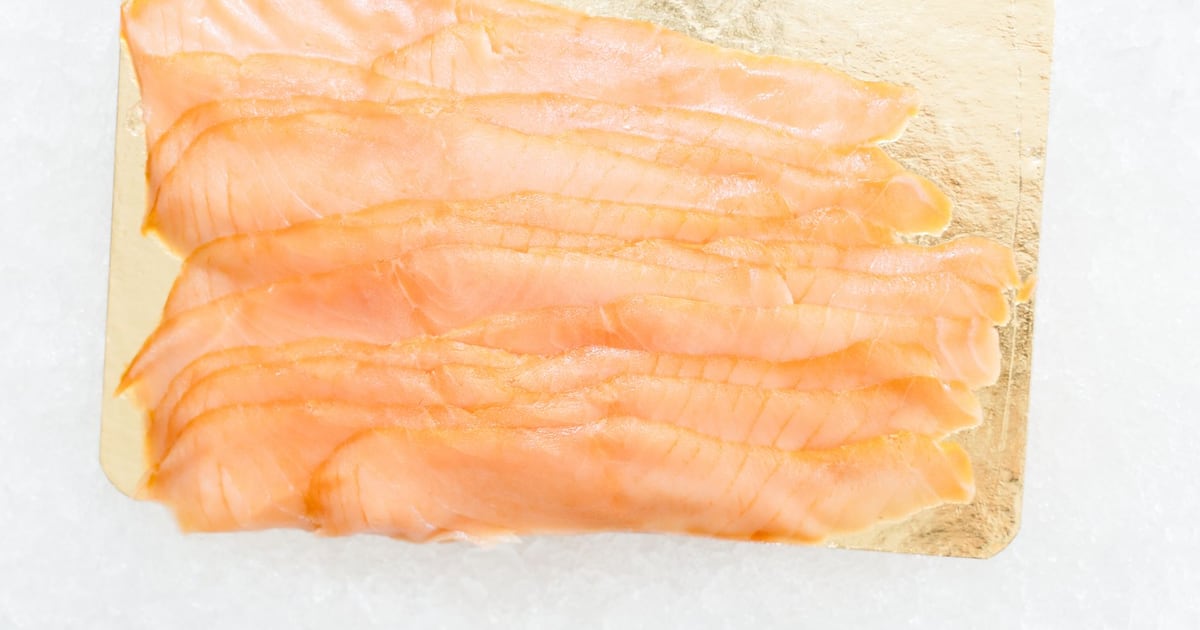
Smoking extends the life of fish like salmon and trout compared with raw seafood, but smoked seafood is not shelf stable and still needs refrigeration. Vacuum-sealed packages last longer than ones that have already been opened.
Shelf Stable Foods
83 foods
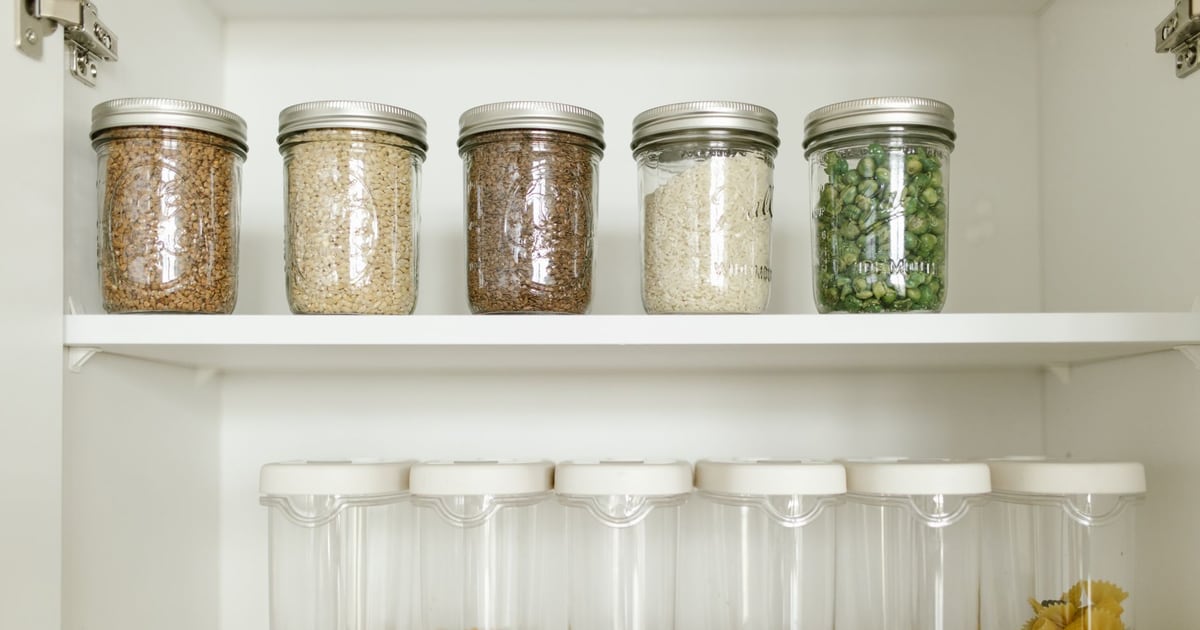
Pantry staples like honey, peanut butter, cereal, crackers, spices and canned goods are built to last for months or years, and most spoilage risk comes from moisture, pests or oil separation rather than bacteria. Quality, especially flavour and crunch, tends to fade well before safety does.
Vegetarian Proteins
5 foods
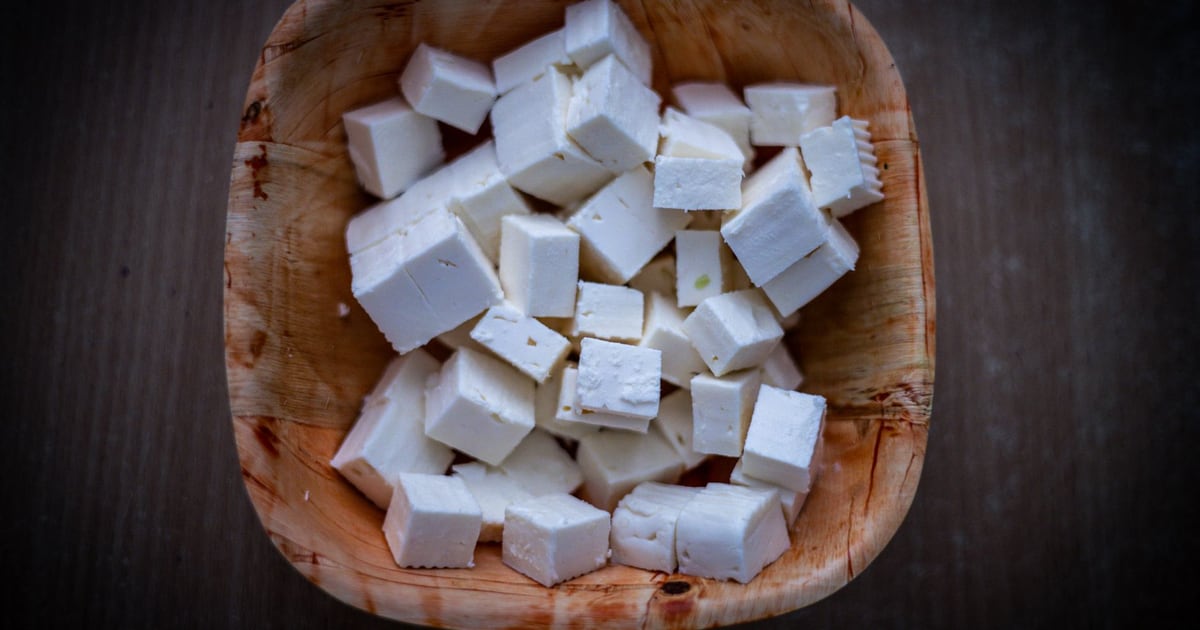
Tofu, tempeh and meat substitutes are perishable once opened, similar to dairy or meat, even though many are shelf stable unopened. Water-packed tofu needs its liquid changed regularly to stay fresh once the package is open.
Deli & Prepared Foods
30 foods
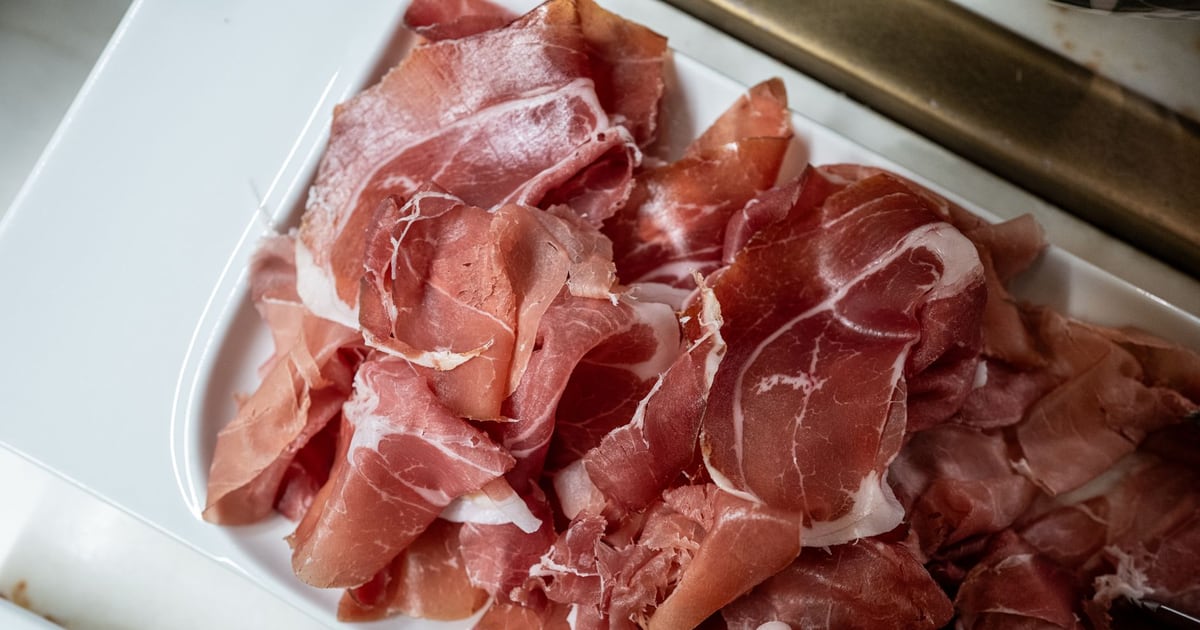
Deli meats, prepared salads, leftovers and rotisserie chicken are ready to eat, which means any bacteria present can grow without further cooking to stop them. These foods depend heavily on quick refrigeration and short turnaround times to stay safe.