
Grains, Beans & Pasta
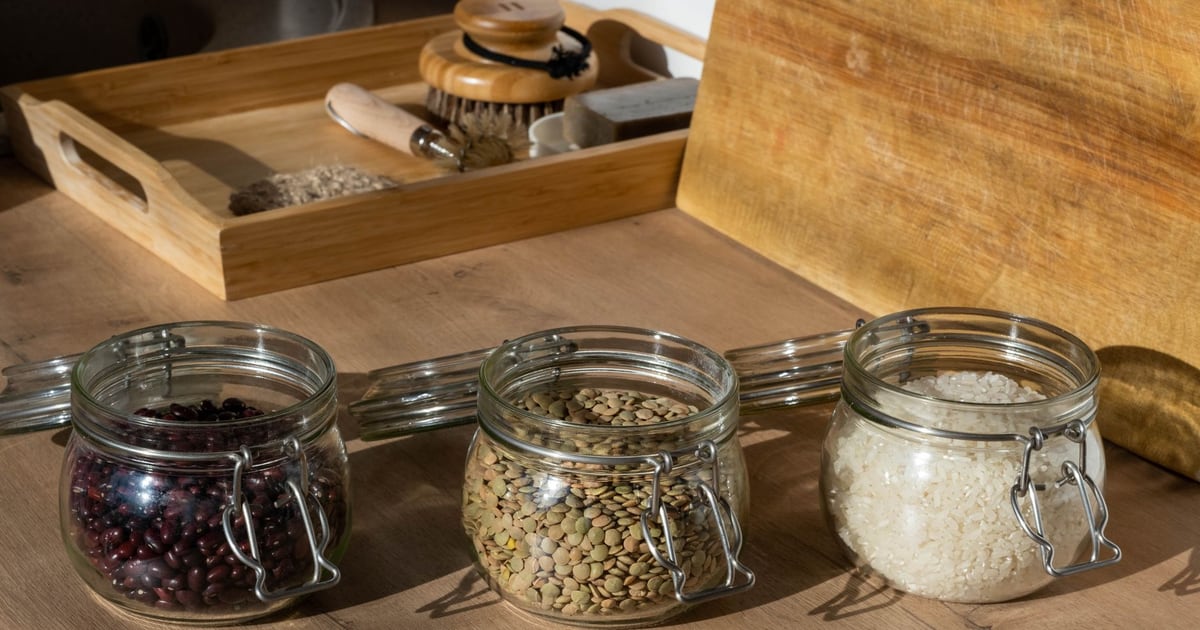
Dry rice, pasta and beans are shelf stable for a long time when kept sealed and dry, but they can attract pantry insects or absorb moisture. Cooked grains, beans and pasta are far more perishable and need refrigeration like any other cooked food.
| Food | Pantry | Fridge | Freezer |
|---|---|---|---|
| Amaranth(2 kinds) | 4 months | 8 months | |
| Barley(2 kinds) | 6 months | 12 months | |
| Beans | 1 to 2 years | ||
| Buckwheat(2 kinds) | 2 months | 4 months | |
| Bulgur | 6 to 12 months | ||
| Dry egg noodles | 2 years | ||
| Farro(2 kinds) | 6 months | 12 months | |
| Fresh pasta | 1 to 2 days | 2 months | |
| Lentils | 1 year | ||
| Millet(2 kinds) | 2 months | 4 months | |
| Mung bean(3 kinds) | 4 to 6 weeks | ||
| Oats(2 kinds) | 4 months | 8 months | |
| Pasta | 2 years | ||
| Peanuts(3 kinds) | 3 years | Keeps indefinitely | |
| Peas | 1 year | ||
| Quinoa(2 kinds) | 2 to 3 years | ||
| Refried beans | 3 years | ||
| Rice(2 kinds) | 2 years | ||
| Rye(2 kinds) | 6 months | 12 months | |
| Sorghum(2 kinds) | 4 months | 8 months | |
| Spelt(2 kinds) | 6 months | 12 months | |
| Teff(2 kinds) | 4 months | 8 months | |
| Tortillas(2 kinds) | 3 months | 6 months | |
| Whole wheat bread(2 kinds) | 3 to 5 days | 3 months |
Signs grains, beans & pasta have gone bad
- Small webbing, moths or beetles inside the bag or container
- Musty or damp smell instead of a neutral, dry one
- Clumping together from moisture getting into the package
- Cooked pasta or rice turning sticky, slimy or sour smelling
- Visible mould on cooked beans or grains left too long
Storage habits
Store dry grains, beans and pasta in airtight containers in a cool, dry cupboard away from the stove. Once cooked, refrigerate in a shallow covered container within two hours and use within about four days. Freeze cooked portions for longer storage and thaw in the fridge before reheating.
Questions people ask
- Can you freeze amaranth?
- Can you freeze barley?
- Can you freeze buckwheat?
- Can you freeze farro?
- Can you freeze fresh pasta?
- Can you freeze millet?
- Can you freeze mung bean?
- Can you freeze oats?
- Can you freeze peanuts?
- Can you freeze quinoa?
- Can you freeze rye?
- Can you freeze sorghum?
- Can you freeze spelt?
- Can you freeze teff?
- Can you freeze tortillas?
- Can you freeze whole wheat bread?