
How long does salt last?
Salt keeps indefinitely in the pantry. Times are USDA FoodKeeper quality guidelines from the point of purchase unless noted.
Keeps indefinitely
from purchase
No guideline
No guideline
How salt compares with other shelf stable foods
USDA FoodKeeper gives salt one time: Keeps indefinitely in the pantry from purchase, and no figure for the other places. A blank usually means the food is not stored that way, not that the data is missing. The foods USDA lists next to salt in shelf stable foods show the range for the group:
| Food | Pantry | Fridge | Freezer |
|---|---|---|---|
| Pretzels | 4 to 9 months | no guideline | no guideline |
| Pudding mixes | 1 year | no guideline | no guideline |
| Pumpkin seeds(first of 4 kinds) | 6 months | 6 months | no guideline |
| Roasted nuts (peanuts, cashews, almonds) | Use by the package date | no guideline | no guideline |
| Roasted red peppers | no guideline | 4 to 6 months | no guideline |
| Seafood | 1 year | no guideline | no guideline |
| Sesame oil | 2 years | no guideline | no guideline |
| Sesame seeds | 5 years | no guideline | no guideline |
| Soup mixes | 1 year | no guideline | no guideline |
About shelf stable foods. Pantry staples like honey, peanut butter, cereal, crackers, spices and canned goods are built to last for months or years, and most spoilage risk comes from moisture, pests or oil separation rather than bacteria. Quality, especially flavour and crunch, tends to fade well before safety does. All shelf stable foods.
How to tell salt has gone bad
General signs for shelf stable foods, the group USDA lists salt under.
- Crackers or cereal that have gone soft or stale, not crisp
- Rancid, paint-like smell from nuts, oils or nut butters
- Small insects or webbing inside a box or bag
- Spices that have lost their smell and colour
- Fermented or boozy smell from honey that has picked up moisture
More on shelf stable foods. The times above are quality guidelines, not safety limits; food that shows these signs goes out regardless of the date.
Storage habits that make the difference
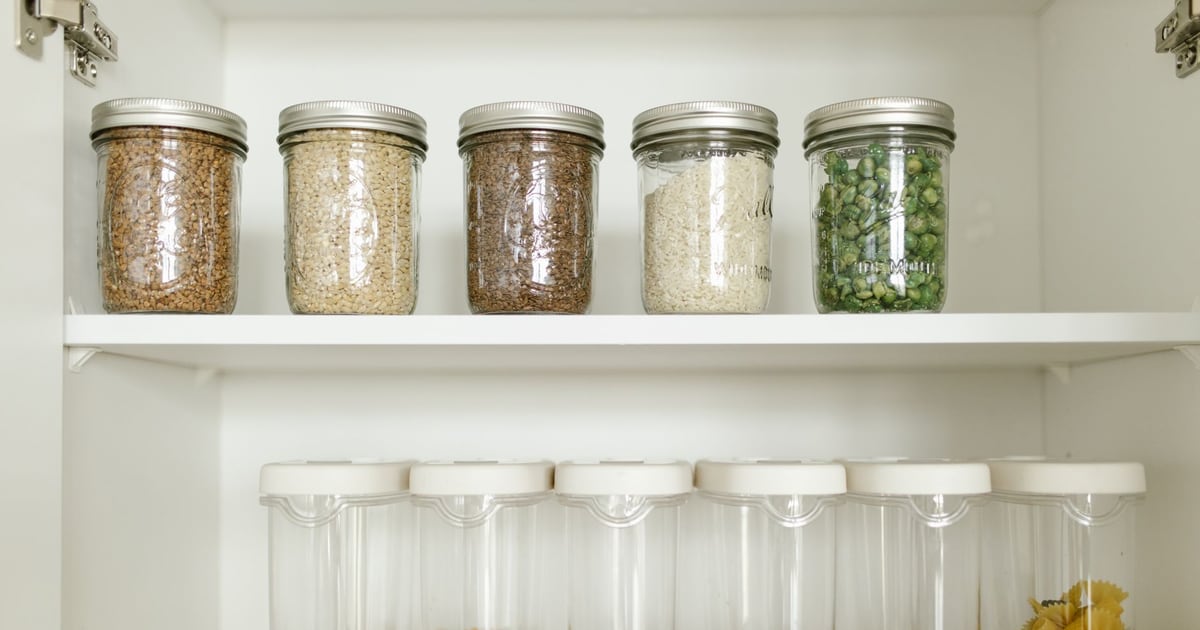
Store dry pantry staples in a cool, dry cupboard away from the stove and direct sunlight, ideally in airtight containers once opened. Reseal cracker and cereal bags tightly with a clip or transfer them to a container to keep them crisp. Label opened jars with the date so older ones get used first.
More in shelf stable foods
Source: USDA FSIS FoodKeeper dataset (public domain). Times assume a fridge at 40 F (4 C) and a freezer at 0 F (-18 C). How we decode the data.